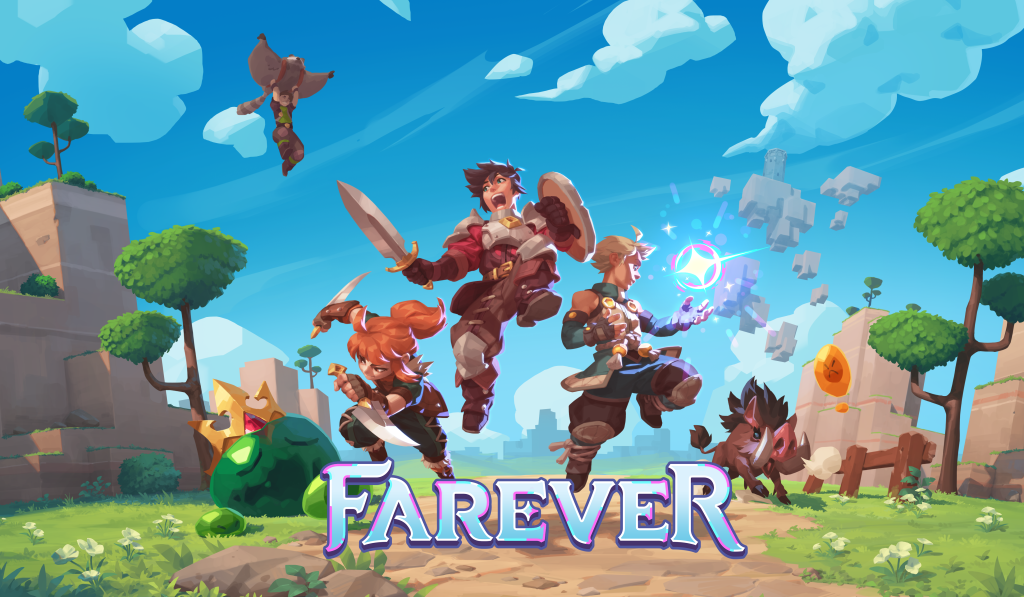
Platform: PC (Steam Early Access) | Developer: Shiro Games | Genre: Online Action RPG | Price: $20 USD
Bottom line: Farever is a promising online action RPG with a beautiful open world, flexible co-op, and satisfying exploration. It is let down by server issues, thin tutorials, and limited endgame content. Worth it for patient early adopters; everyone else should wait a few months.
There is a specific kind of magic that happens when you crest a hill in an open-world game and find something completely unexpected on the other side. Farever, the online action RPG from Shiro Games, is built almost entirely around that feeling. When it works, it is genuinely special. When it does not, you will be staring at a loading screen after a server timeout, wondering if any of it was worth it.
The short answer: it mostly is. But you will need to be patient.
What Is Farever? Setting and Story
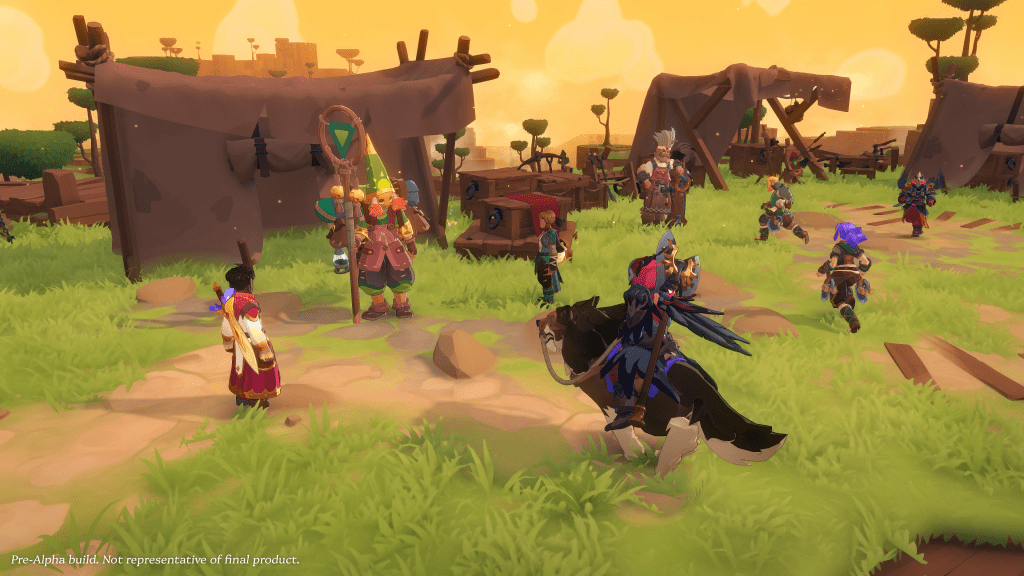
Farever is set in Siagarta, a forgotten ancestral homeland that humanity is reclaiming after centuries of exile. It is a premise with real narrative potential, and one of the game’s more refreshing creative choices is that there is no Chosen One. No singular hero is destined to restore balance and claim a throne. You are one of many returning adventurers, and the world treats you accordingly. The online environment knows you are not alone, and leans into that honestly rather than papering over it.
In practice, this means a vast open world that does not funnel you through a carefully orchestrated story. You get a map with icons and the freedom to go explore them. The approach is closer to Genshin Impact’s open-world loop than Breath of the Wild, though without the predatory monetization mechanics. Farever is chasing that same sense of discovery and gradual world-mastery, and in its best moments, it delivers.
The realm itself is beautiful and packed with surprises. Fierce monsters lurk around one corner; a charming NPC with a punny name waits around the next. Ruby Garland the shopkeeper and her ilk suggest a development team that wants its world to feel inhabited, not just traversed.
Farever Classes and Combat Explained
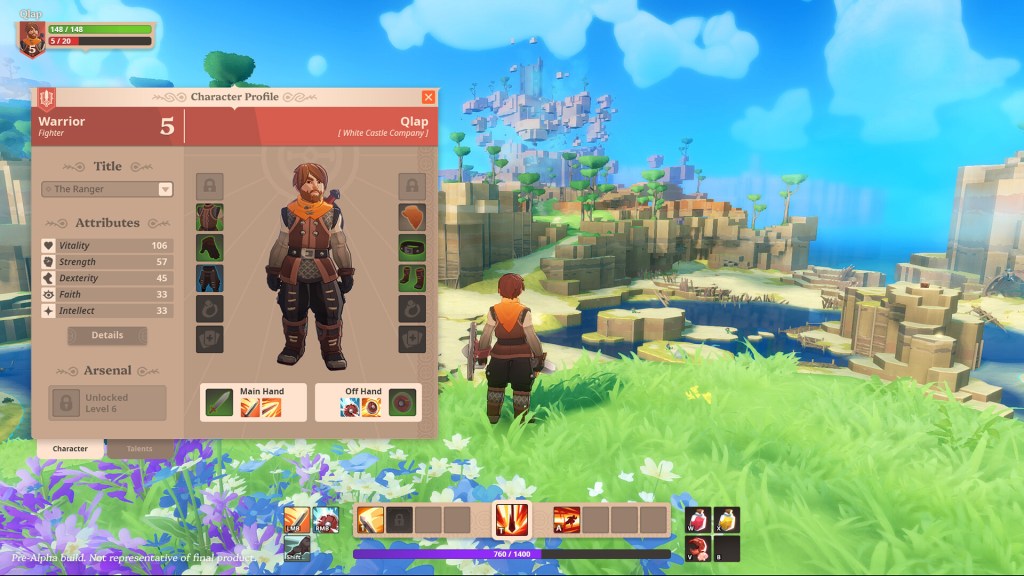
At Early Access launch, Farever offers four classes: Warrior, Mage, Priest, and Rogue. Your class determines available skills and which weapons you can wield. A Mage, for instance, uses spellbooks and opens with fire spells: a basic attack that charges a stronger blast every third hit, plus a signature fireball ability. Combat is cooldown-based and snappy enough to feel satisfying, though it will not challenge anyone who has spent time with modern action RPGs.
The class system has more depth than its modest starting selection suggests. Players who have put in dozens of hours report genuine build diversity across all four archetypes, with meaningful decisions around skill investment and gear. Combat encounters scale well for solo play or co-op groups, and the flexibility to tackle content either way is one of Farever’s strongest design decisions.
Bosses deserve a special mention. They offer genuinely challenging fights that reward learning attack patterns rather than grinding for better numbers. That is a promising sign for how the game’s difficulty ceiling might develop over time.
Exploration and Platforming: Farever’s Strongest Suit
If combat is Farever’s backbone, exploration is its heart. The game actively encourages you to hunt different monster types for XP bonuses and fill out your bestiary log, rewarding curiosity with tangible progress. Scattered across Siagarta are open-world bosses, instanced dungeons full of secrets, jumping puzzles that require real precision, and enough hidden corners to keep discovery feeling earned.
This is also where the game’s main structural weakness becomes clear. With so much world to explore and no overarching narrative quest to anchor it, Farever can feel directionless. Side quests are mostly material-gathering or combat tasks, and the current endgame amounts to re-fighting already-defeated bosses at slightly higher difficulty. Players who want a defined goal to work toward will feel that absence.
It is a solvable problem that the developers have flagged in their roadmap. For now, Farever rewards self-directed explorers far more than those who want a structured journey.
Crafting System and Progression
Farever includes a multi-profession crafting system that is, in theory, robust and well-balanced. In practice, getting into it is harder than it should be. The game explains almost nothing about how its systems work. There is no meaningful tutorial. Farever presumes familiarity with MMO-style RPGs and sets you loose without much orientation. That can feel charming in a retro way, but it is frustrating when you are sitting on an inventory full of crafting materials with no clear path forward.
When you do figure out the crafting loop, it strikes a reasonable balance between impactful and grindy. Items feel meaningful to acquire, gear upgrades register clearly, and there is enough variety to reward experimentation. The companion-capture system (equipping a net and catching critters in the wild) adds an interesting layer that the game unfortunately does a poor job of introducing.
Character customization at launch offers three body types and a respectable range of skin tones, hairstyles, and colors. It is functional but limited, and more variety would go a long way toward player expression.
Performance and Technical Issues
This is where honesty is required: Farever is rough. The developers were clearly surprised by the player count at launch, and server infrastructure has not always kept pace. Login failures, mid-session disconnects, and crashes at critical moments (like defeating a dungeon boss and being ejected before looting the reward chest) are real issues reported widely by the community. Performance problems have drawn legitimate criticism, and they are hard to wave away.
These are, in fairness, early access problems. Shiro Games has a track record of iterating on player feedback, and they have been transparent about the game’s unfinished state. The planned roadmap includes new biomes, regions, dungeons, a raised level cap, mounts, gliders, seasonal events, and a guild system. The foundations clearly support that ambition.
A lot of these issues were quickly addressed. Shiro Games continues to make further improvements to the game.
Farever Review Verdict: Should You Buy It?
Farever is a genuinely interesting game that was a little too rough around the edges for an unconditional recommendation, but with some of the recent news it might actually be worthy of trying out now. There is something here that scratches an itch few other games reach: a cooperative open-world action RPG with real exploration depth, no predatory monetization, and the beginning of a rewarding progression loop.
Players who are comfortable with unfinished experiences and want to help shape a game’s development will find a lot to love right now. If you’re looking for a game that is complete, this might not be the game for you (right now).
If your preferences are like mine, it is an easy recommendation, but I know it won’t be everyone’s cup of tea (not yet at least).
Score: 7.5 / 10
Reviewed in Early Access. Score reflects the current state of the game and may not represent the final release.
Frequently Asked Questions
Is Farever free to play?
No. Farever is a buy-to-play game available on Steam Early Access for approximately ~$20.
Is Farever multiplayer only?
Farever is online-only, but you’re not forced into any cooperative play or PvP environment.
When will Farever leave Early Access?
Shiro Games estimates approximately one year in Early Access, depending on community feedback and development progress.
How many classes does Farever have?
At Early Access launch, there are four classes: Warrior, Mage, Priest, and Rogue. More are planned.


Leave a comment